









Longevity & Wellness
Okinawa, Japan: Nourishing Vitality Through Plant Wisdom
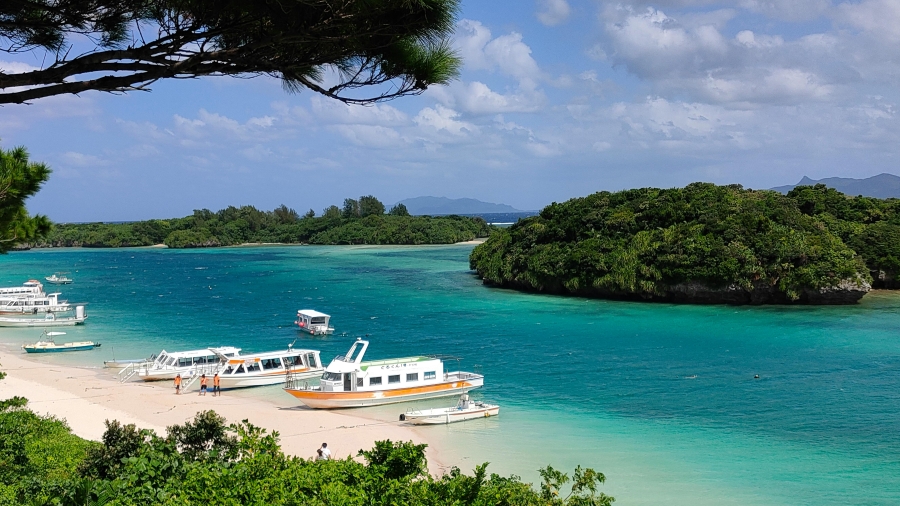
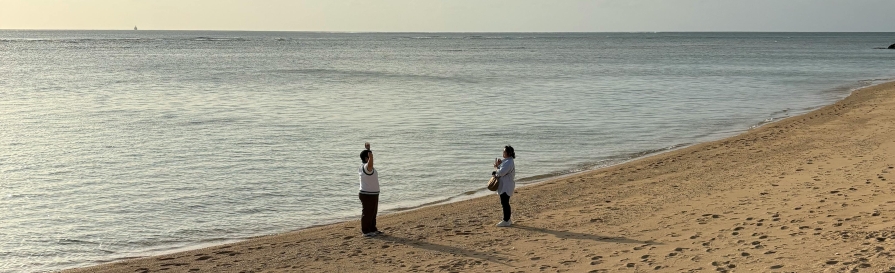
The first thing Daniel noticed in Okinawa wasn’t the ocean, though it shimmered endlessly under the soft Japanese sun. It wasn’t even the lush greenery or the quiet rhythm of village life.
It was the people.
They moved differently. Not slowly, not hurried – just… intentionally. An elderly woman bent gracefully over her garden, tending to rows of bitter melon and sweet potatoes. A group of men in their 80s laughed loudly over tea, their eyes bright, their posture upright. No one seemed to be chasing time. Time, instead, seemed to walk beside them.
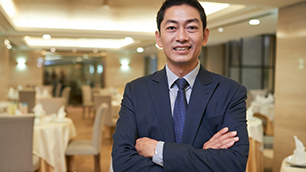
Daniel had come here burned out – another executive chasing performance metrics, optimizing everything except his own life. Preventive health had been a concept he understood intellectually, but never truly lived. Longevity? That was something for “later.”
But Okinawa had other plans.
On his second day, he was invited into a small home by a local family. The meal was simple: tofu, seaweed, turmeric-infused vegetables, and a small portion of fish. “Food is medicine,” his host smiled, placing the dishes carefully. “And medicine should be enjoyed.”
Daniel paused. In his world, food had become fuel – efficient, rushed, forgettable. Here, every bite told a story. Colors mattered. Balance mattered. Even gratitude mattered.
“What keeps you so healthy?” he asked.
The old woman laughed gently. “We don’t try to live long,” she said. “We try to live well… every day.”
She spoke of ikigai – a reason to wake up in the morning. Not a grand ambition, but a quiet purpose. Tending the garden. Teaching grandchildren. Sharing meals. Being useful. Being connected.
Daniel began to notice patterns. No extremes. No obsession. Just consistency. Movement woven into daily life. Food grown close to home. Conversations that nourished the spirit as much as the body.
This wasn’t just diet. It was integrative living.
Days turned into weeks. Daniel found himself waking earlier, walking more, eating slower. He started asking a different question – not “How do I perform better?” but “How do I live better?”
The transformation wasn’t dramatic. It was subtle, almost invisible. But he felt it – clarity returning, energy stabilizing, stress loosening its grip.
One evening, watching the sunset with his hosts, he realized something profound:
Longevity wasn’t about adding years to life.
It was about adding life to years – every single day.
As he prepared to leave, the old woman handed him a small bundle of seeds.
“For your own garden,” she said.
Daniel smiled. He understood now.
Longevity wasn’t found in a breakthrough drug or a distant future. It was planted in daily choices – what we eat, how we move, why we wake up, and who we share our lives with.
Back home, his world hadn’t changed. But he had.
Discover longevity insights and receive the latest updates on
the world’s best restaurants & hotels.
Sign-up to stay informed.